You are here
History of the Principality
From the foundations of Eric I to the reign of Eric V, Swedenborg has grown as a small sovereign state, faithful to its faith, to the sea and to its given word.
Origins
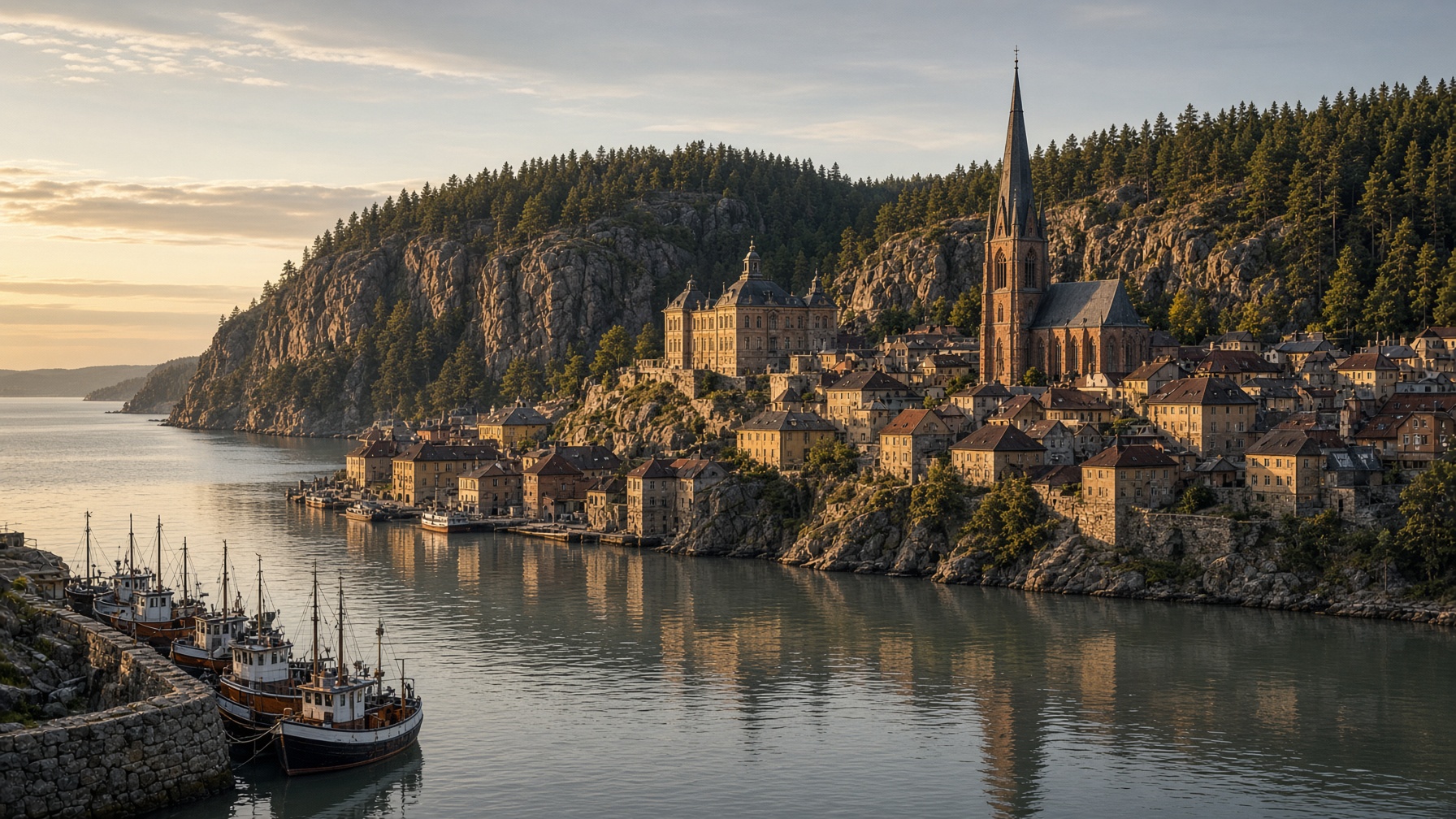
National tradition ascribes the founding of Swedenborg to Eric I. Around the roadstead that opens onto the Skagerrak he gathered communities of fishermen and highlanders, endowed the country with a palace, a cathedral and a citadel, and placed the state under the protection of Saint Olaf.
Eric II later defended the Principality against the invader. Eric III governed by wisdom more than by arms. Eric IV, called the Well-Beloved, left the memory of a prince close to his people — the measure the Jansens have always set themselves.
The House of Jansen
In the early twentieth century the throne belongs to the House of Jansen. Prince Carl and the Good Princess raise their son Eric in the country’s two cultures: the Norwegian of the coast and the French of the Court. The child is born on 13 June 1922 in the capital that bears the state’s name.
In 1935 the Principality first loses the Good Princess, then Prince Carl. Uncle Sven III assumes the crown. His reign ends on 26 August 1936. Eric, then fourteen, becomes sovereign prince, assisted by the council of regency provided in Sven III’s will.
Eric V
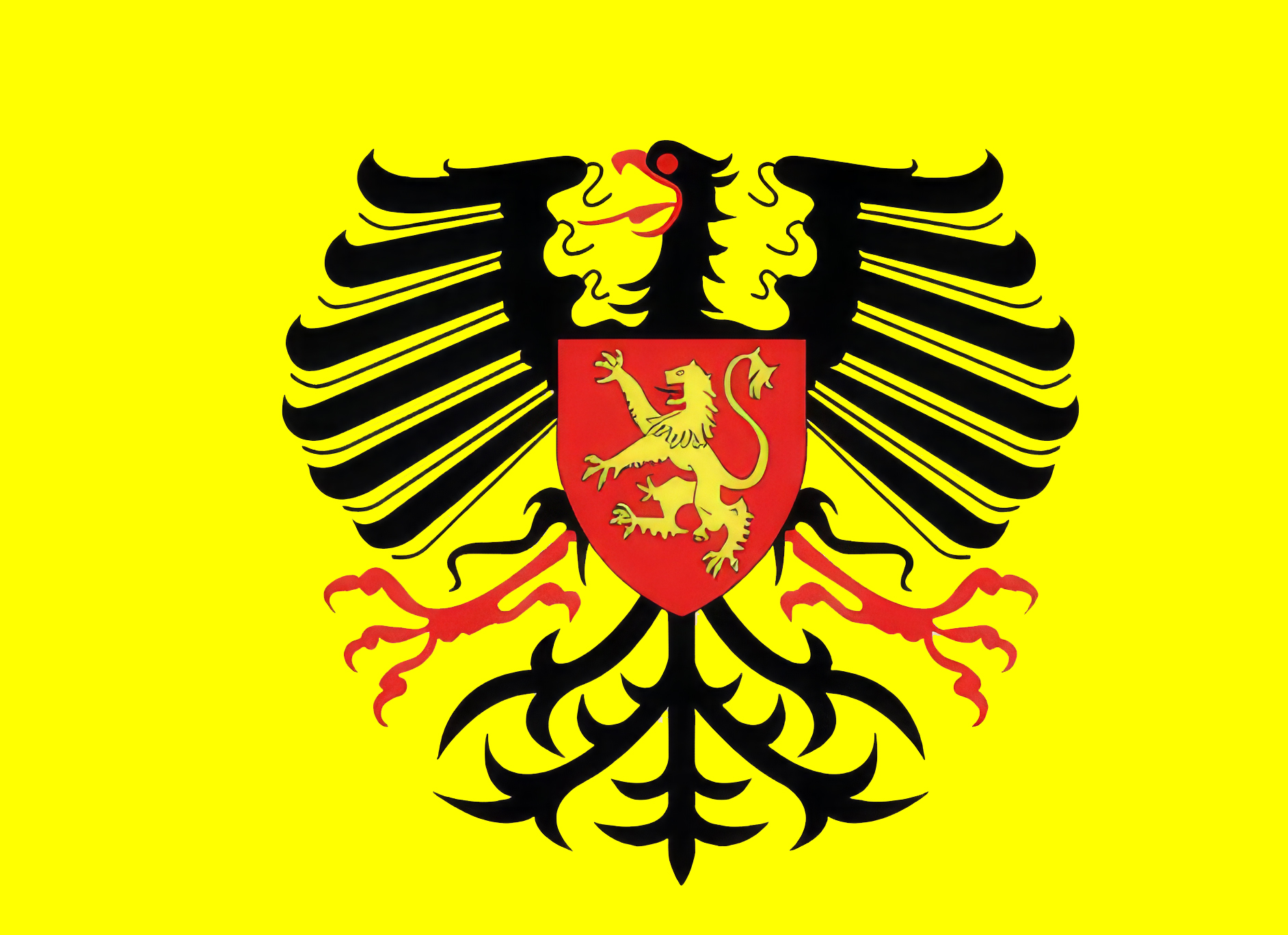
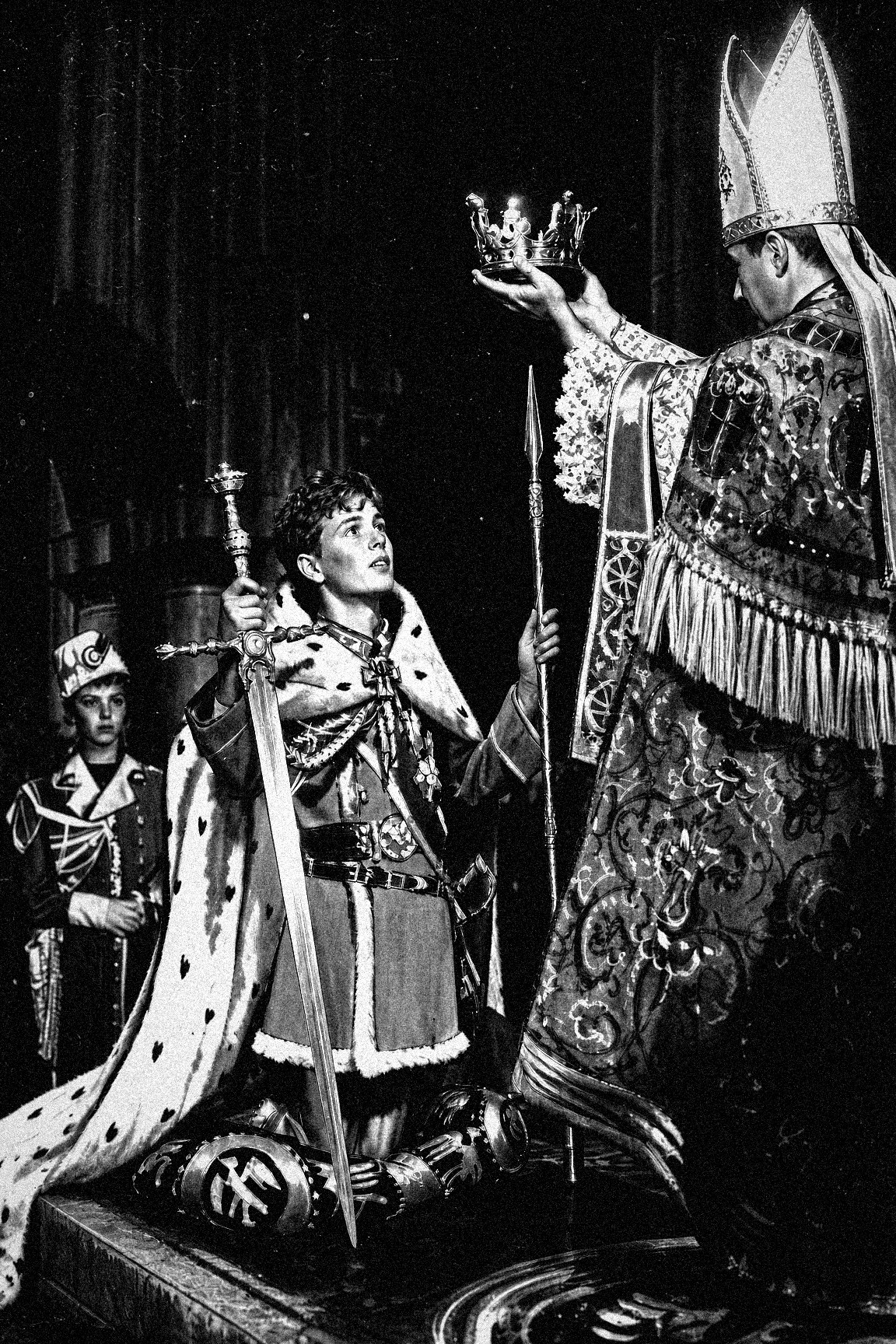
On 1 January 1937, after a referendum of emancipation, Eric is proclaimed Eric V of Swedenborg. He governs with a first counsellor and a council of ministers. The state’s highest distinction, the Badge of the Golden Eagle, rewards eminent service to the Crown.
The prince speaks Norwegian, French, English, German and Spanish. Scout, horseman, skier and sailor, he embodies a young, open and firm sovereignty. Treaties bind Swedenborg to its neighbours: service of the princes in the Norwegian navy in peacetime; an alliance with France, which calls the princes into French uniform when Europe is at war.